Chapter 1: Gender, Sex, and Sexuality ਲਿੰਗ, ਲਿੰਗ ਪਹਚਾਣ ਅਤੇ ਯੌਨਤਾ
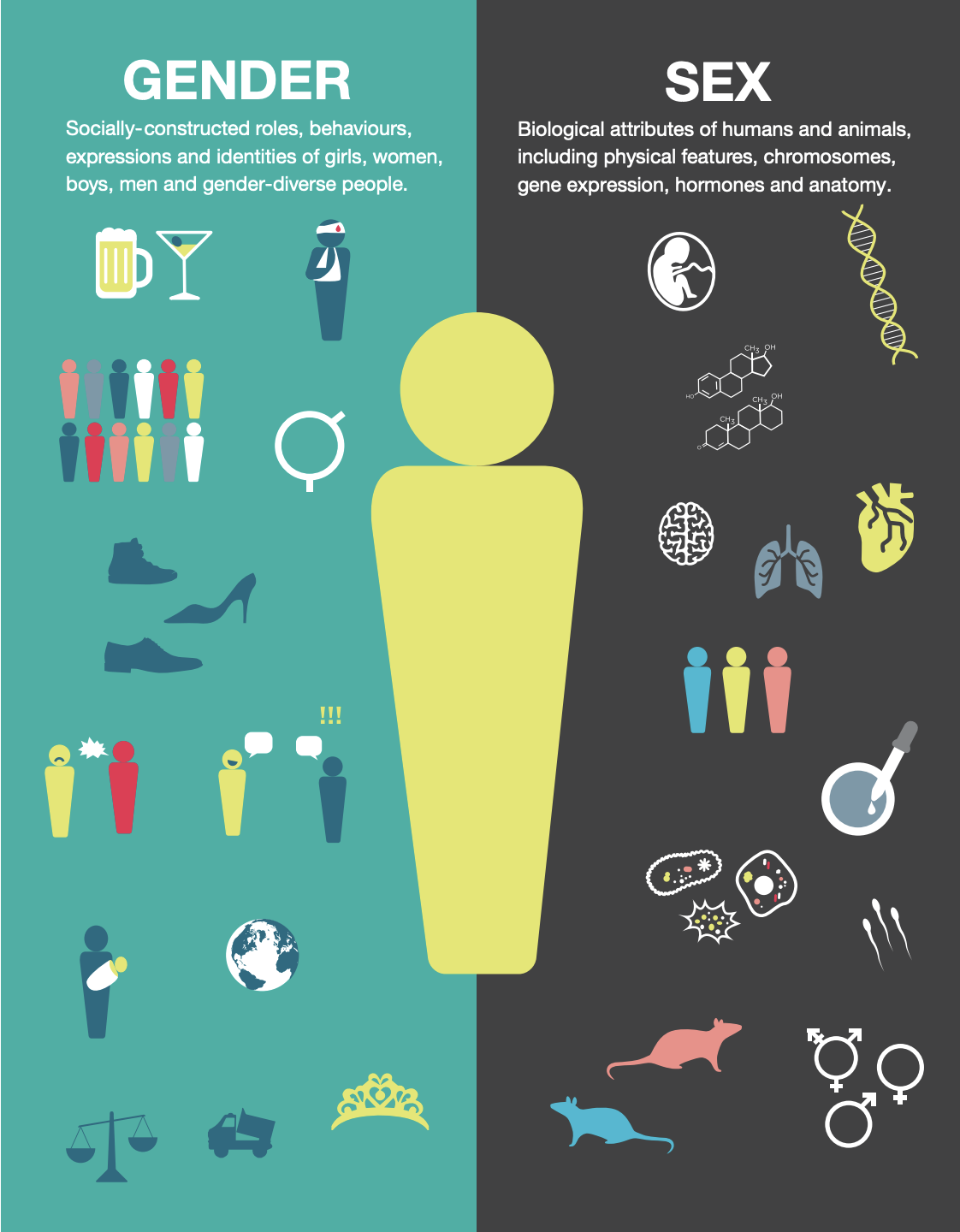
Biological sex refers to the physical and physiological characteristics that are typically used to classify people as male, female, or intersex. These characteristics include things like chromosomes, hormones, reproductive organs, and external genitalia. For example, most people assigned male at birth have XY chromosomes and typically higher levels of testosterone, while most people assigned female at birth have XX chromosomes and typically higher levels of estrogen and progesterone. However, not everyone fits neatly into these categories. Some people are born intersex, meaning they have a combination of male and female biological traits that don’t fit typical definitions of male or female bodies. It’s also important to note that while biological sex is often seen as fixed, variations naturally occur, and a person’s biological traits do not determine their gender identity.
ਜੈਵਿਕ ਲਿੰਗ ਉਹ ਸਰੀਰਕ ਅਤੇ ਜੀਵ ਵਿਗਿਆਨਕ ਵਿਸ਼ੇਸ਼ਤਾਵਾਂ ਨੂੰ ਦਰਸਾਉਂਦਾ ਹੈ ਜਿਨ੍ਹਾਂ ਦੇ ਆਧਾਰ 'ਤੇ ਲੋਕਾਂ ਨੂੰ ਆਮ ਤੌਰ 'ਤੇ ਪੁਰਸ਼, ਇਸਤਰੀ ਜਾਂ ਇੰਟਰਸੈਕਸ ਵਜੋਂ ਵਰਗੀਕ੍ਰਿਤ ਕੀਤਾ ਜਾਂਦਾ ਹੈ। ਇਹ ਵਿਸ਼ੇਸ਼ਤਾਵਾਂ ਵਿੱਚ ਕ੍ਰੋਮੋਸੋਮ, ਹਾਰਮੋਨ, ਪ੍ਰਜਨਨ ਅੰਗ ਅਤੇ ਬਾਹਰੀ ਜਨਨ ਅੰਗ ਸ਼ਾਮਲ ਹੁੰਦੇ ਹਨ। ਉਦਾਹਰਨ ਲਈ, ਜਿਨ੍ਹਾਂ ਲੋਕਾਂ ਨੂੰ ਜਨਮ 'ਤੇ ਪੁਰਸ਼ ਵਜੋਂ ਦਰਸਾਇਆ ਜਾਂਦਾ ਹੈ, ਉਹਨਾਂ ਕੋਲ ਆਮ ਤੌਰ 'ਤੇ XY ਕ੍ਰੋਮੋਸੋਮ ਹੁੰਦੇ ਹਨ ਅਤੇ ਟੈਸਟੋਸਟਿਰੋਨ ਦੀ ਮਾਤਰਾ ਵੱਧ ਹੁੰਦੀ ਹੈ, ਜਦਕਿ ਜਿਨ੍ਹਾਂ ਨੂੰ ਇਸਤਰੀ ਵਜੋਂ ਦਰਸਾਇਆ ਜਾਂਦਾ ਹੈ, ਉਹਨਾਂ ਕੋਲ ਆਮ ਤੌਰ 'ਤੇ XX ਕ੍ਰੋਮੋਸੋਮ ਹੁੰਦੇ ਹਨ ਅਤੇ ਐਸਟਰੋਜਨ ਅਤੇ ਪ੍ਰੋਜੈਸਟਿਰੋਨ ਦੀ ਮਾਤਰਾ ਵੱਧ ਹੁੰਦੀ ਹੈ। ਹਾਲਾਂਕਿ, ਹਰ ਕੋਈ ਇਨ੍ਹਾਂ ਸ਼੍ਰੇਣੀਆਂ ਵਿੱਚ ਪੂਰੀ ਤਰ੍ਹਾਂ ਫਿੱਟ ਨਹੀਂ ਹੁੰਦਾ। ਕੁਝ ਲੋਕ ਇੰਟਰਸੈਕਸ ਹੁੰਦੇ ਹਨ, ਜਿਸਦਾ ਅਰਥ ਹੈ ਕਿ ਉਹਨਾਂ ਕੋਲ ਪੁਰਸ਼ ਅਤੇ ਇਸਤਰੀ ਦੋਹਾਂ ਦੀਆਂ ਜੈਵਿਕ ਵਿਸ਼ੇਸ਼ਤਾਵਾਂ ਦਾ ਮਿਲਾਪ ਹੁੰਦਾ ਹੈ ਜੋ ਆਮ ਪਰਿਭਾਸ਼ਾਵਾਂ ਵਿੱਚ ਨਹੀਂ ਆਉਂਦਾ। ਇਹ ਸਮਝਣਾ ਵੀ ਮਹੱਤਵਪੂਰਣ ਹੈ ਕਿ ਜੈਵਿਕ ਲਿੰਗ ਹਮੇਸ਼ਾ ਅਟੱਲ ਨਹੀਂ ਹੁੰਦਾ—ਕੁਦਰਤੀ ਤੌਰ 'ਤੇ ਵੱਖ-ਵੱਖਤਾ ਪਾਈ ਜਾਂਦੀ ਹੈ—ਅਤੇ ਕਿਸੇ ਵਿਅਕਤੀ ਦੀਆਂ ਜੈਵਿਕ ਵਿਸ਼ੇਸ਼ਤਾਵਾਂ ਉਸਦੀ ਲਿੰਗ ਪਛਾਣ ਨੂੰ ਨਿਰਧਾਰਤ ਨਹੀਂ ਕਰਦੀਆਂ।