Chapter 4: Community and Society ਸਮੁਦਾਇ ਅਤੇ ਸਮਾਜ
Nirbau and Nirvair: Living Without Fear and Without Hate
From its very beginning, Sikhism has stood for equality, compassion, and justice. Guru Nanak Dev Ji — the founder of the Sikh faith — rejected all forms of discrimination, whether based on gender, caste, or social status. His teachings emphasized that the Divine exists in all and that every human being carries the same light of Ik Onkar — One Creator.
That same principle extends naturally to gay, lesbian, bisexual, and transgender individuals.
If all are reflections of the same Creator, then no identity or orientation can make a person less worthy of love, dignity, or inclusion.
“Recognize the entire human race as one.” — Guru Gobind Singh Ji
Two of the most profound qualities in Sikh philosophy are Nirbau (ਨਿਰਭਉ) — without fear — and Nirvair (ਨਿਰਵੈਰ) — without hate.
These words are not just divine attributes; they are ethical instructions for how Sikhs are meant to live.
To be Nirbau means to live truthfully — to express your authentic self without fear of judgment or rejection. For gay and transgender Sikhs, this teaching affirms the sacredness of living openly and truthfully, rather than hiding who they are. The Sikh path calls us to rise above fear — whether fear of society, of labels, or of being different.
To be Nirvair means to live without hatred — to see others through love, not prejudice. When a society practices Nirvair, it cannot hold bias against someone for their gender identity or sexual orientation. Hatred, mockery, and exclusion directly contradict the Guru’s message of compassion and Oneness.
Thus, Sikhism’s call to be Nirbau and Nirvair is also a call to be inclusive — to create spaces where every person can exist without fear and without hate.
Oneness Beyond Gender
Sikh philosophy also challenges rigid gender divisions. The Divine in Sikhism is beyond gender, described with both masculine and feminine imagery — Waheguru is both mother and father, both He and She, yet beyond all.
The Guru Granth Sahib Ji often uses fluid metaphors — the soul-bride and the Divine Beloved — to describe the spiritual relationship between humans and the Creator.
This language invites Sikhs to see beyond binary categories, recognizing that spirituality and humanity exist on a spectrum, not within boxes.
In that sense, Sikh teachings already embrace a transcendent understanding of identity — one that aligns with the lived experiences of many transgender and gender-diverse people.
Walking the Path of Love and Justice
Throughout history, Sikhs have been called to stand up for justice, protect the vulnerable, and speak truth to power. Extending compassion and solidarity to 2SLGBTQIA+ individuals is simply a continuation of that same Gurmat path.
Supporting inclusion is not about modern politics — it is about spiritual integrity.
When we embrace those who are different, we live the Guru’s message. When we reject them, we stray from it.
To live as a Sikh is to live Nirbau — without fear of judgment —
and Nirvair — without hatred toward any being.
Every Sikh space — a Gurdwara, a classroom, a home — can become a sanctuary of love and equality when it upholds these teachings.
Ik Onkar Means Everyone
Sikhism’s foundation rests on the truth of Oneness — Ik Onkar.
There is no separate Divine for men, women, or gender-diverse people — there is only One.
When we honor that Oneness, we see that accepting gay and transgender people is not outside Sikh values — it is central to them.
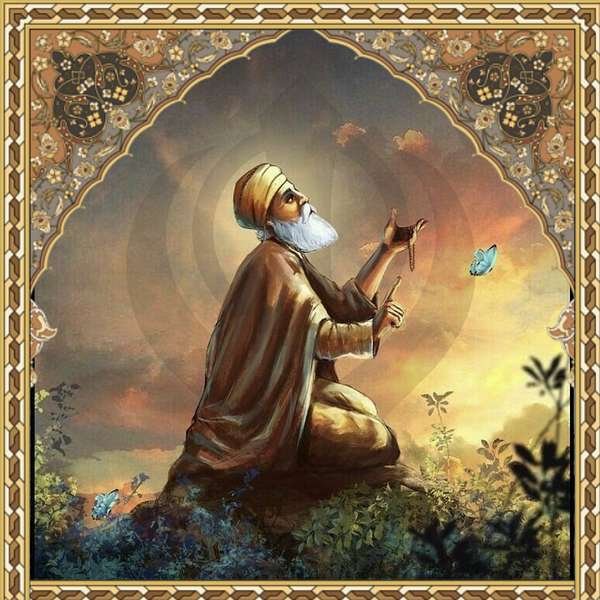
ਨਿਰਭਉ ਅਤੇ ਨਿਰਵੈਰ: ਬਿਨਾਂ ਡਰ ਤੇ ਬਿਨਾਂ ਨਫ਼ਰਤ ਜੀਉਣਾ
ਸਿੱਖ ਧਰਮ ਦੇ ਸ਼ੁਰੂ ਤੋਂ ਹੀ, ਇਹ ਸਮਾਨਤਾ, ਦਇਆ ਤੇ ਇਨਸਾਫ਼ ਦਾ ਪ੍ਰਤੀਕ ਰਿਹਾ ਹੈ।
ਗੁਰੂ ਨਾਨਕ ਦੇਵ ਜੀ, ਸਿੱਖ ਧਰਮ ਦੇ ਸੰਸਥਾਪਕ, ਨੇ ਹਰ ਤਰ੍ਹਾਂ ਦੇ ਭੇਦਭਾਵ — ਚਾਹੇ ਉਹ ਜੈਂਡਰ, ਜਾਤ ਜਾਂ ਸਮਾਜਕ ਦਰਜੇ ‘ਤੇ ਆਧਾਰਿਤ ਹੋਵੇ — ਦਾ ਵਿਰੋਧ ਕੀਤਾ।
ਉਹਨਾਂ ਦੀਆਂ ਸਿੱਖਿਆਵਾਂ ਇਹ ਦਰਸਾਉਂਦੀਆਂ ਹਨ ਕਿ ਰੱਬ ਹਰ ਜੀਵ ਵਿੱਚ ਮੌਜੂਦ ਹੈ ਅਤੇ ਹਰ ਵਿਅਕਤੀ ਦੇ ਅੰਦਰ ਇਕ ਓਅੰਕਾਰ (Ik Onkar) ਦੀ ਇੱਕੋ ਹੀ ਜੋਤ ਹੈ — ਇੱਕ ਸਿਰਜਣਹਾਰ ਦੀ।
ਇਹੀ ਸਿਧਾਂਤ ਕੁਦਰਤੀ ਤੌਰ ‘ਤੇ ਗੇ, ਲੈਸਬੀਅਨ, ਬਾਇਸੈਕਸੂਅਲ ਤੇ ਟ੍ਰਾਂਸਜੈਂਡਰ ਲੋਕਾਂ ‘ਤੇ ਵੀ ਲਾਗੂ ਹੁੰਦਾ ਹੈ।
ਜੇਕਰ ਸਾਰੇ ਜੀਵ ਇੱਕੋ ਰੱਬ ਦੀਆਂ ਪਰਛਾਈਆਂ ਹਨ, ਤਾਂ ਕੋਈ ਵੀ ਪਛਾਣ ਜਾਂ ਰੁਝਾਨ ਕਿਸੇ ਨੂੰ ਘੱਟ ਯੋਗ ਨਹੀਂ ਬਣਾ ਸਕਦਾ — ਹਰ ਕੋਈ ਪਿਆਰ, ਇੱਜ਼ਤ ਅਤੇ ਸਵੀਕ੍ਰਿਤੀ ਦਾ ਹੱਕਦਾਰ ਹੈ।
“ਸਭ ਮਨੁੱਖਾਂ ਨੂੰ ਇੱਕ ਜਾਣੋ।” — ਗੁਰੂ ਗੋਬਿੰਦ ਸਿੰਘ ਜੀ
ਸਿੱਖ ਦਰਸ਼ਨ ਦੇ ਸਭ ਤੋਂ ਗਹਿਰੇ ਗੁਣਾਂ ਵਿੱਚੋਂ ਦੋ ਹਨ — ਨਿਰਭਉ (ਬਿਨਾਂ ਡਰ) ਅਤੇ ਨਿਰਵੈਰ (ਬਿਨਾਂ ਨਫ਼ਰਤ)।
ਇਹ ਸ਼ਬਦ ਸਿਰਫ਼ ਰੱਬ ਦੇ ਗੁਣ ਨਹੀਂ, ਸਗੋਂ ਇਕ ਜੀਵਨ ਜੀਉਣ ਦਾ ਅਖਲਾਕੀ ਰਸਤਾ ਵੀ ਹਨ।
ਨਿਰਭਉ ਹੋਣਾ ਮਤਲਬ ਹੈ ਸੱਚਾ ਜੀਵਨ ਜੀਉਣਾ — ਆਪਣੀ ਅਸਲੀ ਪਛਾਣ ਬਿਨਾਂ ਡਰ ਜਾਂ ਇਨਕਾਰ ਦੇ ਪ੍ਰਗਟ ਕਰਨਾ।
ਗੇ ਅਤੇ ਟ੍ਰਾਂਸਜੈਂਡਰ ਸਿੱਖਾਂ ਲਈ ਇਹ ਸਿੱਖਿਆ ਆਪਣੇ ਆਪ ਨੂੰ ਸੱਚਾਈ ਨਾਲ ਜਿਊਣ ਦੀ ਪਵਿੱਤਰਤਾ ਨੂੰ ਦਰਸਾਉਂਦੀ ਹੈ, ਨਾ ਕਿ ਆਪਣੀ ਪਛਾਣ ਨੂੰ ਲੁਕਾਉਣ ਦੀ ਲੋੜ।
ਸਿੱਖ ਧਰਮ ਸਾਨੂੰ ਸਿਖਾਉਂਦਾ ਹੈ ਕਿ ਡਰ ਤੋਂ ਉੱਪਰ ਉਠਣਾ — ਚਾਹੇ ਉਹ ਸਮਾਜ ਦਾ ਡਰ ਹੋਵੇ, ਲੇਬਲਾਂ ਦਾ ਜਾਂ ਵੱਖਰੇ ਹੋਣ ਦਾ — ਰੂਹਾਨੀ ਹਿੰਮਤ ਦਾ ਰਸਤਾ ਹੈ।
ਨਿਰਵੈਰ ਹੋਣਾ ਮਤਲਬ ਹੈ ਬਿਨਾਂ ਨਫ਼ਰਤ ਦੇ ਜੀਉਣਾ — ਹੋਰਨਾਂ ਨੂੰ ਪਿਆਰ ਅਤੇ ਦਇਆ ਨਾਲ ਵੇਖਣਾ, ਨਾ ਕਿ ਪੱਖਪਾਤ ਨਾਲ।
ਜਦੋਂ ਕੋਈ ਸਮਾਜ ਨਿਰਵੈਰ ਬਣਦਾ ਹੈ, ਤਾਂ ਉਹ ਕਿਸੇ ਦੀ ਜੈਂਡਰ ਪਛਾਣ ਜਾਂ ਲਿੰਗੀ ਰੁਝਾਨ ਦੇ ਆਧਾਰ ‘ਤੇ ਪੱਖਪਾਤ ਨਹੀਂ ਕਰ ਸਕਦਾ।
ਨਫ਼ਰਤ, ਮਖੌਲ ਜਾਂ ਤਿਰਸਕਾਰ — ਇਹ ਸਿੱਖ ਗੁਰੂਆਂ ਦੇ ਦਇਆ ਅਤੇ ਇਕਤਾ ਦੇ ਸਿਧਾਂਤਾਂ ਦੇ ਵਿਰੁੱਧ ਹਨ।
ਇਸ ਲਈ, ਸਿੱਖ ਧਰਮ ਦਾ ਨਿਰਭਉ ਤੇ ਨਿਰਵੈਰ ਹੋਣ ਦਾ ਸੱਦਾ ਇੱਕ ਸਮੇਸ਼ੀਕ (inclusive) ਜੀਵਨ ਜੀਉਣ ਦਾ ਸੱਦਾ ਵੀ ਹੈ —
ਇੱਕ ਅਜਿਹਾ ਜਗ੍ਹਾ ਬਣਾਉਣ ਦਾ ਜਿੱਥੇ ਹਰ ਵਿਅਕਤੀ ਬਿਨਾਂ ਡਰ ਤੇ ਬਿਨਾਂ ਨਫ਼ਰਤ ਦੇ ਮੌਜੂਦ ਰਹਿ ਸਕੇ।
ਜੈਂਡਰ ਤੋਂ ਪਰੇ ਇਕਤਾ
ਸਿੱਖ ਦਰਸ਼ਨ ਜੈਂਡਰ ਦੀਆਂ ਕਠੋਰ ਹੱਦਾਂ ਨੂੰ ਵੀ ਚੁਣੌਤੀ ਦਿੰਦਾ ਹੈ।
ਸਿੱਖ ਧਰਮ ਵਿੱਚ ਰੱਬ ਜੈਂਡਰ ਤੋਂ ਪਰੇ ਹੈ — ਕਈ ਵਾਰ ਮਾਂ ਵਾਂਗ, ਕਈ ਵਾਰ ਪਿਉ ਵਾਂਗ, ਤੇ ਕਈ ਵਾਰ ਦੋਹਾਂ ਤੋਂ ਉੱਪਰ।
ਗੁਰੂ ਗ੍ਰੰਥ ਸਾਹਿਬ ਜੀ ਵਿੱਚ ਰੱਬ ਅਤੇ ਰੂਹ ਦੇ ਰਿਸ਼ਤੇ ਨੂੰ ਦਰਸਾਉਣ ਲਈ ਕਈ ਵਾਰ ਆਤਮਾ-ਦੁਲਹਣ ਤੇ ਪਰਮਾਤਮਾ-ਪ੍ਰੇਮੀ ਵਾਲੇ ਰੂਪਕ ਵਰਤੇ ਗਏ ਹਨ।
ਇਹ ਕਵਿਤਾ ਸਾਨੂੰ ਸਿਖਾਉਂਦੀ ਹੈ ਕਿ ਰੂਹਾਨੀਅਤ ਤੇ ਮਨੁੱਖਤਾ ਕਿਸੇ ਇਕ ਲਿੰਗ ਜਾਂ ਰੂਪ ਤੱਕ ਸੀਮਿਤ ਨਹੀਂ, ਸਗੋਂ ਇਹ ਇਕ ਵਿਸ਼ਾਲ ਸਪੈਕਟ੍ਰਮ ਹੈ।
ਇਸ ਤਰੀਕੇ ਨਾਲ, ਸਿੱਖ ਸਿੱਖਿਆਵਾਂ ਪਹਿਲਾਂ ਹੀ ਪਛਾਣ ਦੀ ਉਸ ਲਚੀਲੀ ਸਮਝ ਨੂੰ ਗਲੇ ਲਗਾਉਂਦੀਆਂ ਹਨ ਜੋ ਅੱਜ ਕਈ ਟ੍ਰਾਂਸਜੈਂਡਰ ਅਤੇ ਜੈਂਡਰ-ਵਿਭਿੰਨ ਲੋਕਾਂ ਦੇ ਅਨੁਭਵਾਂ ਨਾਲ ਮਿਲਦੀ ਹੈ।
ਪਿਆਰ ਅਤੇ ਇਨਸਾਫ਼ ਦਾ ਰਸਤਾ
ਇਤਿਹਾਸ ਭਰ ਵਿੱਚ, ਸਿੱਖਾਂ ਨੂੰ ਹਮੇਸ਼ਾਂ ਇਨਸਾਫ਼ ਲਈ ਖੜ੍ਹਾ ਹੋਣ, ਕਮਜ਼ੋਰਾਂ ਦੀ ਰੱਖਿਆ ਕਰਨ ਤੇ ਸੱਚ ਬੋਲਣ ਲਈ ਸੱਦਾ ਦਿੱਤਾ ਗਿਆ ਹੈ।
2SLGBTQIA+ ਲੋਕਾਂ ਪ੍ਰਤੀ ਦਇਆ ਅਤੇ ਸਹਿਯੋਗ ਵਧਾਉਣਾ ਇਸੇ ਗੁਰਮਤਿ ਮਾਰਗ ਦੀ ਲਗਾਤਾਰ ਕੜੀ ਹੈ।
ਇਹ ਸਮੇਸ਼ੀਕਤਾ (inclusion) ਕੋਈ ਆਧੁਨਿਕ ਰਾਜਨੀਤੀ ਨਹੀਂ, ਸਗੋਂ ਰੂਹਾਨੀ ਸੱਚਾਈ ਹੈ।
ਜਦੋਂ ਅਸੀਂ ਵੱਖਰੇ ਲੋਕਾਂ ਨੂੰ ਗਲੇ ਲਗਾਉਂਦੇ ਹਾਂ, ਅਸੀਂ ਗੁਰੂ ਦੀ ਸਿੱਖਿਆ ‘ਤੇ ਚਲਦੇ ਹਾਂ; ਜਦੋਂ ਅਸੀਂ ਉਹਨਾਂ ਨੂੰ ਰੱਦ ਕਰਦੇ ਹਾਂ, ਅਸੀਂ ਉਸ ਤੋਂ ਦੂਰ ਹੋ ਜਾਂਦੇ ਹਾਂ।
ਸਿੱਖ ਹੋਣ ਦਾ ਮਤਲਬ ਹੈ ਨਿਰਭਉ ਜੀਉਣਾ — ਬਿਨਾਂ ਡਰ ਦੇ,
ਤੇ ਨਿਰਵੈਰ ਰਹਿਣਾ — ਬਿਨਾਂ ਕਿਸੇ ਜੀਵ ਨਾਲ ਨਫ਼ਰਤ ਦੇ।
ਹਰ ਸਿੱਖ ਥਾਂ — ਚਾਹੇ ਗੁਰਦੁਆਰਾ ਹੋਵੇ, ਕਲਾਸਰੂਮ ਜਾਂ ਘਰ — ਜਦੋਂ ਇਹ ਸਿੱਖਿਆਵਾਂ ਅਪਣਾਈਆਂ ਜਾਂਦੀਆਂ ਹਨ, ਤਾਂ ਉਹ ਪਿਆਰ ਅਤੇ ਸਮਾਨਤਾ ਦਾ ਪਵਿੱਤਰ ਸਥਾਨ ਬਣ ਸਕਦਾ ਹੈ।
ਇਕ ਓਅੰਕਾਰ ਦਾ ਮਤਲਬ ਹੈ — ਸਭ
ਸਿੱਖ ਧਰਮ ਦੀ ਨੀਂਹ ਇਕਤਾ ਦੇ ਸੱਚ — ਇਕ ਓਅੰਕਾਰ ‘ਤੇ ਟਿਕੀ ਹੈ।
ਇਹ ਰੱਬ ਮਰਦਾਂ ਲਈ ਵੱਖਰਾ ਨਹੀਂ, ਔਰਤਾਂ ਜਾਂ ਜੈਂਡਰ-ਵਿਭਿੰਨ ਲੋਕਾਂ ਲਈ ਵੱਖਰਾ ਨਹੀਂ — ਇਕੋ ਹੀ ਰੱਬ ਸਭ ਵਿੱਚ ਵੱਸਦਾ ਹੈ।
ਜਦੋਂ ਅਸੀਂ ਇਸ ਇਕਤਾ ਨੂੰ ਮੰਨਦੇ ਹਾਂ, ਤਾਂ ਅਸੀਂ ਸਮਝਦੇ ਹਾਂ ਕਿ ਗੇ ਤੇ ਟ੍ਰਾਂਸਜੈਂਡਰ ਲੋਕਾਂ ਦੀ ਸਵੀਕ੍ਰਿਤੀ ਸਿੱਖ ਧਰਮ ਤੋਂ ਬਾਹਰ ਨਹੀਂ, ਸਗੋਂ ਉਸਦਾ ਹੀ ਅਸਲ ਕੇਂਦਰ ਹੈ।