Chapter 4: Community and Society ਸਮੁਦਾਇ ਅਤੇ ਸਮਾਜ
Blurring Boundaries: How Giddha Challenges Gender Roles in Punjabi Culture
ਹੱਦਾਂ ਤੋਂ ਪਰੇ: ਗਿੱਧੇ ਵਿੱਚ ਜੈਂਡਰ ਦੀਆਂ ਲਕੀਰਾਂ ਮਿਟਾਉਣ ਵਾਲੀ ਰੀਤ
A Dance of Joy — and Subtle Rebellion
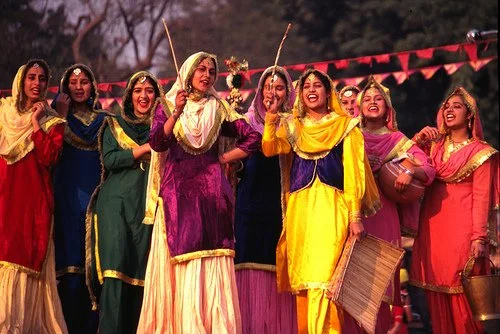
At first glance, Giddha appears to be a lively women’s folk dance — full of claps, laughter, vibrant suits, and playful boliyan (folk verses). Traditionally performed during weddings and festivals, it celebrates womanhood, sisterhood, and the rhythms of Punjabi rural life.
But beneath its festive energy, Giddha holds a powerful cultural truth — it is also a space where gender roles are playfully questioned, blurred, and reimagined.
While Giddha is not explicitly queer, its fluidity of expression allows space for non-conformity and experimentation with gender — much like queer art today.
In many Giddha performances, women assume masculine personas, donning turbans, fake mustaches, or men’s kurtas. Through these transformations, they imitate male behaviors and social attitudes — not mockingly, but to express social commentary with humor and wit.
In these moments, Giddha becomes a living metaphor for gender diversity — showing that identity is not fixed, but flexible and expressive. It demonstrates how Punjabi folk traditions have long contained pockets of rebellion and resistance, wrapped in rhythm and laughter.
The boliyan that accompany these dances often describe relationships, power dynamics, and everyday struggles, sometimes teasing men or even criticizing patriarchal customs. By performing as men, women temporarily step into roles traditionally denied to them — asserting voice, confidence, and critique in a culture that has often expected silence.
When women take on men’s roles, flirt, or make jokes about marriage, they challenge heteronormative expectations and create a world where gender is performance, not prescription.
This cross-dressing tradition isn’t new; it has deep historical roots in Punjabi and South Asian performance. Like the Nautanki theatre or Bhand storytelling, Giddha uses performance as a safe space for social reflection.
ਖੁਸ਼ੀ ਦਾ ਨਾਚ — ਤੇ ਇਕ ਸੁਕਮਲ ਬਗਾਵਤ
ਪਹਿਲੀ ਨਜ਼ਰ ਵਿੱਚ, ਗਿੱਧਾ ਇੱਕ ਚੁਸਤ ਤੇ ਰੰਗ-ਰਲੀਆਂ ਭਰਿਆ ਔਰਤਾਂ ਦਾ ਲੋਕ-ਨਾਚ ਲੱਗਦਾ ਹੈ — ਤਾਲੀਆਂ, ਹਾਸੇ, ਚਮਕਦਾਰ ਸੁਟਾਂ ਅਤੇ ਖੇਡਾਂ-ਮਜ਼ਾਕੀਆਂ ਬੋਲੀਆਂ ਨਾਲ ਭਰਪੂਰ। ਰਵਾਇਤੀ ਤੌਰ ‘ਤੇ ਵਿਆਹਾਂ ਤੇ ਤਿਉਹਾਰਾਂ ‘ਤੇ ਕੀਤਾ ਜਾਣ ਵਾਲਾ ਇਹ ਨਾਚ ਇਸਤ੍ਰੀਪਣ, ਭੈਣਚਾਰੇ ਅਤੇ ਪੰਜਾਬੀ ਪਿੰਡ ਦੇ ਜੀਵਨ ਦੀ ਲਹਿਰ ਦਾ ਜਸ਼ਨ ਮਨਾਉਂਦਾ ਹੈ।
ਪਰ ਇਸ ਖੁਸ਼ੀ ਅਤੇ ਰੌਣਕ ਦੇ ਤਹਿਤ ਗਿੱਧਾ ਇਕ ਗਹਿਰਾ ਸੱਭਿਆਚਾਰਕ ਸੱਚ ਲੁਕਾਉਂਦਾ ਹੈ — ਇਹ ਉਹ ਥਾਂ ਹੈ ਜਿੱਥੇ ਜੈਂਡਰ ਦੀਆਂ ਭੂਮਿਕਾਵਾਂ ਨਾਲ ਖੇਡਿਆ ਜਾਂਦਾ ਹੈ, ਉਹਨਾਂ ਨੂੰ ਮਿਟਾਇਆ ਜਾਂਦਾ ਹੈ ਅਤੇ ਨਵੇਂ ਤਰੀਕਿਆਂ ਨਾਲ ਸੋਚਿਆ ਜਾਂਦਾ ਹੈ।
ਭਾਵੇਂ ਗਿੱਧਾ ਖੁੱਲ੍ਹ ਕੇ ਕੁਵੀਰ (queer) ਨਹੀਂ ਹੈ, ਪਰ ਇਸ ਦੀ ਅਭਿਵ੍ਯਕਤੀ ਦੀ ਲਚੀਲਤਾ ਉਹਨਾਂ ਲਈ ਥਾਂ ਬਣਾਉਂਦੀ ਹੈ ਜੋ ਸਮਾਜਕ ਨਿਯਮਾਂ ਤੋਂ ਪਰੇ ਹੋ ਕੇ ਆਪਣੀ ਪਛਾਣ ਨਾਲ ਪ੍ਰਯੋਗ ਕਰਨਾ ਚਾਹੁੰਦੇ ਹਨ — ਬਿਲਕੁਲ ਅੱਜ ਦੀ ਕੁਵੀਰ ਕਲਾ ਵਾਂਗ।
ਕਈ ਗਿੱਧੇ ਦੀਆਂ ਪ੍ਰਸਤੁਤੀਆਂ ਵਿੱਚ, ਔਰਤਾਂ ਮਰਦਾਂ ਦੇ ਰੂਪ ਵਿੱਚ ਭੇਸ ਬਦਲਦੀਆਂ ਹਨ — ਪੱਗ ਬੰਨਦੀਆਂ ਹਨ, ਜਾਲੀ ਮੁੱਛਾਂ ਲਾਂਦੀਆਂ ਹਨ ਜਾਂ ਮਰਦਾਂ ਵਾਲੇ ਕੁੜਤੇ ਪਾਂਦੀਆਂ ਹਨ।
ਇਹ ਰੂਪ ਬਦਲਾਅ ਮਰਦਾਂ ਦੇ ਵਤੀਰੇ ਅਤੇ ਸਮਾਜਕ ਸੋਚਾਂ ਦੀ ਨਕਲ ਨਹੀਂ, ਸਗੋਂ ਹਾਸੇ ਅਤੇ ਚਤੁਰਾਈ ਨਾਲ ਸਮਾਜ ‘ਤੇ ਟਿੱਪਣੀ ਕਰਨ ਦਾ ਢੰਗ ਹੈ।
ਇਨ੍ਹਾਂ ਪਲਾਂ ਵਿੱਚ, ਗਿੱਧਾ ਇਕ ਜੀਵੰਤ ਪ੍ਰਤੀਕ ਬਣ ਜਾਂਦਾ ਹੈ ਜੈਂਡਰ ਦੀ ਵਿਭਿੰਨਤਾ ਦਾ — ਇਹ ਦਿਖਾਉਂਦਾ ਹੈ ਕਿ ਪਛਾਣ ਕੋਈ ਸਥਿਰ ਚੀਜ਼ ਨਹੀਂ, ਸਗੋਂ ਲਚਕਦਾਰ ਤੇ ਪ੍ਰਗਟਾਵੇ ਭਰੀ ਹੈ।
ਇਹ ਸਾਬਤ ਕਰਦਾ ਹੈ ਕਿ ਪੰਜਾਬੀ ਲੋਕ-ਸੰਸਕ੍ਰਿਤੀ ਹਮੇਸ਼ਾਂ ਹੀ ਬਗਾਵਤ ਅਤੇ ਪ੍ਰਤੀਰੋਧ ਦੇ ਛੋਟੇ-ਛੋਟੇ ਕੋਨੇ ਸਮੇਟੇ ਹੋਏ ਸੀ, ਜੋ ਤਾਲ ਅਤੇ ਹਾਸੇ ਵਿੱਚ ਲਪੇਟੇ ਹੋਏ ਸਨ।
ਇਨ੍ਹਾਂ ਨਾਚਾਂ ਨਾਲ ਜੁੜੀਆਂ ਬੋਲੀਆਂ ਅਕਸਰ ਰਿਸ਼ਤਿਆਂ, ਤਾਕਤ ਦੇ ਸੰਬੰਧਾਂ ਅਤੇ ਦਿਨਚਰਿਆ ਦੇ ਸੰਗਰਸ਼ਾਂ ਨੂੰ ਦਰਸਾਉਂਦੀਆਂ ਹਨ — ਕਈ ਵਾਰ ਮਰਦਾਂ ਨੂੰ ਚੇੜਦੀਆਂ ਹਨ ਜਾਂ ਪਿਤ੍ਰਸੱਤਾ ਦੇ ਰਿਵਾਜਾਂ ‘ਤੇ ਹਾਸੇ ਰਾਹੀਂ ਪ੍ਰਹਾਰ ਕਰਦੀਆਂ ਹਨ।
ਮਰਦਾਂ ਦੇ ਕਿਰਦਾਰ ਨਿਭਾ ਕੇ, ਔਰਤਾਂ ਕੁਝ ਸਮੇਂ ਲਈ ਉਹ ਭੂਮਿਕਾਵਾਂ ਆਪਣੇ ਹੱਥ ‘ਚ ਲੈਂਦੀਆਂ ਹਨ ਜੋ ਸਮਾਜ ਨੇ ਉਹਨਾਂ ਤੋਂ ਖੋਹ ਲਈਆਂ ਸਨ — ਆਪਣੀ ਆਵਾਜ਼, ਵਿਸ਼ਵਾਸ ਅਤੇ ਨਜ਼ਰੀਏ ਨੂੰ ਮੰਚ ਦੇ ਰਾਹੀਂ ਜ਼ਾਹਿਰ ਕਰਦੀਆਂ ਹਨ।
ਜਦੋਂ ਔਰਤਾਂ ਮਰਦਾਂ ਦੇ ਰੋਲ ਨਿਭਾਉਂਦੀਆਂ ਹਨ, ਛੇੜਛਾੜ ਕਰਦੀਆਂ ਹਨ ਜਾਂ ਵਿਆਹ ਬਾਰੇ ਮਜ਼ਾਕ ਕਰਦੀਆਂ ਹਨ, ਉਹ ਵਿਪਰੀਤ ਲਿੰਗ ਦੇ ਨਿਯਮਾਂ ਅਤੇ ਉਮੀਦਾਂ ਨੂੰ ਚੁਣੌਤੀ ਦਿੰਦੀਆਂ ਹਨ ਅਤੇ ਇੱਕ ਅਜਿਹੀ ਦੁਨੀਆ ਬਣਾਉਂਦੀਆਂ ਹਨ ਜਿੱਥੇ ਜੈਂਡਰ ਪਛਾਣ ਨਹੀਂ, ਪ੍ਰਦਰਸ਼ਨ ਹੈ।
ਇਹ ਭੇਸ ਬਦਲਣ ਦੀ ਰੀਤ ਕੋਈ ਨਵੀਂ ਨਹੀਂ — ਇਸ ਦੇ ਗਹਿਰੇ ਇਤਿਹਾਸਕ ਪੈਰ ਪੰਜਾਬੀ ਅਤੇ ਦੱਖਣੀ ਏਸ਼ੀਆਈ ਰੰਗਮੰਚਾਂ ਵਿੱਚ ਮਿਲਦੇ ਹਨ। ਜਿਵੇਂ ਨੌਟੰਕੀ ਰੰਗਮੰਚ ਜਾਂ ਭੰਡ ਕਲਾ, ਗਿੱਧਾ ਵੀ ਪ੍ਰਦਰਸ਼ਨ ਨੂੰ ਸਮਾਜਕ ਚਿੰਤਨ ਦਾ ਸੁਰੱਖਿਅਤ ਮਾਧਿਅਮ ਬਣਾਉਂਦਾ ਹੈ।