Chapter 4: Community and Society ਸਮੁਦਾਇ ਅਤੇ ਸਮਾਜ
A Past Beyond Labels
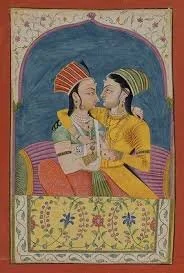
Before the words gay, transgender, or queer ever existed, ancient India already understood gender and sexuality in diverse, fluid ways.
For thousands of years, Indian philosophy, literature, and art reflected the belief that love and identity are many-shaded expressions of the same divine truth.
Hindu, Buddhist, and Jain traditions all contain examples of gender transformation, same-sex relationships, and people existing beyond the male-female binary — long before Western notions of gender and sexuality emerged.
Fluidity in Hindu Mythology
Indian mythology overflows with stories that blur gender boundaries and celebrate transformation. In the Mahabharata, Shikhandi, born female and later identifying and living as male, plays a crucial role in the war of Kurukshetra — a reminder that valor and identity transcend gender. The Ramayana contains tales of Aravanis (Hijras) — devotees of Lord Aravan who married him before his ritual death, symbolizing gender and spiritual devotion beyond the binary.
Perhaps most famous is the story of Lord Vishnu transforming into Mohini, the enchanting female form who mesmerizes gods and demons alike. In one episode, Mohini unites with Lord Shiva, and from their union emerges Lord Ayyappa — a divine being born of two male deities. These stories, rich with symbolism, reveal how ancient India saw gender transformation not as anomaly, but as sacred expression.
Gender Beyond the Binary
Ancient Indian texts recognized more than two genders. The Kama Sutra, often reduced in popular imagination to eroticism, actually describes a spectrum of sexual and gender identities — including “tritiya prakriti,” meaning third nature. This term encompassed people we might today describe as intersex, transgender, or non-binary. Far from being marginalized, many were accepted as part of the social and spiritual order.
In royal courts and temple communities, Hijras and other gender-diverse people held respected positions — as dancers, poets, advisors, and spiritual guides. Their blessings were considered auspicious, and their presence symbolized the divine balance of masculine and feminine energies — Ardhanarishvara, the half-Shiva, half-Parvati form, embodying cosmic harmony.
Colonialism and the Erasure of Acceptance
The erosion of queer acceptance in India did not come from its ancient roots, but from British colonial rule.
In 1861, the British introduced Section 377, a law criminalizing same-sex relations — not because Indian tradition condemned them, but because Victorian morality demanded conformity. Over time, that colonial mindset reshaped Indian attitudes, replacing centuries of cultural pluralism with imported ideas of “normality” and “shame.”
Understanding queer history, then, is not just about representation — it’s about reclaiming what colonialism erased: a worldview where love was divine, gender was fluid, and difference was natural.
Reclaiming the Legacy
Today, as India re-embraces queer rights and visibility, it’s worth remembering that this is not a new movement — it’s a return.
Ancient India’s stories remind us that queerness is not foreign to our culture; it is woven into the same spiritual fabric that celebrates diversity, balance, and unity.
By rediscovering this heritage, we do more than honour history — we restore dignity to generations whose identities were once sacred, then silenced, and are now rising again to be seen, heard, and celebrated.
Queerness in ancient India was never about rebellion —
it was about harmony, wholeness, and the celebration of all forms of love.
ਲੇਬਲਾਂ ਤੋਂ ਪਰੇ ਇੱਕ ਇਤਿਹਾਸ
ਜਦੋਂ “ਗੇ,” “ਟ੍ਰਾਂਸਜੈਂਡਰ,” ਜਾਂ “ਕੁਵੀਰ” ਵਰਗੇ ਸ਼ਬਦ ਮੌਜੂਦ ਨਹੀਂ ਸਨ, ਉਸ ਤੋਂ ਕਈ ਸਦੀ ਪਹਿਲਾਂ ਹੀ ਪੁਰਾਤਨ ਭਾਰਤ ਜੈਂਡਰ ਅਤੇ ਲਿੰਗੀ ਪਛਾਣ ਨੂੰ ਲਚਕੀਲੇ ਅਤੇ ਵਿਭਿੰਨ ਰੂਪਾਂ ਵਿੱਚ ਸਮਝਦਾ ਸੀ।
ਹਜ਼ਾਰਾਂ ਸਾਲਾਂ ਤੋਂ, ਭਾਰਤੀ ਦਰਸ਼ਨ, ਸਾਹਿਤ ਅਤੇ ਕਲਾ ਇਹ ਵਿਸ਼ਵਾਸ ਦਰਸਾਉਂਦੇ ਆ ਰਹੇ ਹਨ ਕਿ ਪਿਆਰ ਅਤੇ ਪਛਾਣ — ਇਕੋ ਹੀ ਰੱਬੀ ਸੱਚਾਈ ਦੇ ਕਈ ਰੰਗੀਨ ਪ੍ਰਗਟਾਵੇ ਹਨ।
ਹਿੰਦੂ, ਬੌਧ ਅਤੇ ਜੈਨ ਧਰਮਾਂ ਦੀਆਂ ਕਹਾਣੀਆਂ ਵਿੱਚ ਜੈਂਡਰ ਬਦਲਾਅ, ਸਮਲਿੰਗੀ ਰਿਸ਼ਤਿਆਂ ਅਤੇ ਮਰਦ-ਇਸਤ੍ਰੀ ਦੀ ਰੇਖਾ ਤੋਂ ਪਰੇ ਜੀਵਨ ਜੀਉਣ ਵਾਲੇ ਲੋਕਾਂ ਦੇ ਕਈ ਉਦਾਹਰਨ ਮਿਲਦੇ ਹਨ — ਪੱਛਮੀ ਸੰਕਲਪਾਂ ਤੋਂ ਕਈ ਸਦੀਆਂ ਪਹਿਲਾਂ।
ਹਿੰਦੂ ਮਿਥਿਆਵਾਂ ਵਿੱਚ ਲਚਕੀਲਾਪਣ
ਭਾਰਤੀ ਮਿਥਿਆਵਾਂ ਵਿੱਚ ਜੈਂਡਰ ਦੀਆਂ ਸੀਮਾਵਾਂ ਮਿਟਾਉਣ ਅਤੇ ਬਦਲਾਅ ਦਾ ਜਸ਼ਨ ਮਨਾਉਣ ਵਾਲੀਆਂ ਕਹਾਣੀਆਂ ਭਰਪੂਰ ਹਨ।
ਮਹਾਭਾਰਤ ਵਿੱਚ ਸ਼ਿਖੰਡੀ, ਜੋ ਜਨਮ ਤੋਂ ਇਸਤ੍ਰੀ ਸੀ ਪਰ ਬਾਅਦ ਵਿੱਚ ਆਪਣੇ ਆਪ ਨੂੰ ਪੁਰਸ਼ ਵਜੋਂ ਪਛਾਣਦਾ ਹੈ, ਕੁਰੁਕਸ਼ੇਤਰ ਦੀ ਲੜਾਈ ਵਿੱਚ ਅਹਿਮ ਭੂਮਿਕਾ ਨਿਭਾਉਂਦਾ ਹੈ — ਜੋ ਯਾਦ ਦਿਵਾਉਂਦਾ ਹੈ ਕਿ ਸਾਹਸ ਅਤੇ ਪਛਾਣ ਜੈਂਡਰ ਦੀਆਂ ਹੱਦਾਂ ਤੋਂ ਪਰੇ ਹਨ।
ਰਾਮਾਯਣ ਵਿੱਚ ਅਰਾਵਾਨੀਆਂ (ਹਿਜੜੇ) ਦੀ ਕਹਾਣੀ ਮਿਲਦੀ ਹੈ — ਜੋ ਭਗਵਾਨ ਅਰਾਵਾਨ ਦੇ ਭਗਤ ਹਨ ਅਤੇ ਉਸਦੇ ਬਲੀਦਾਨ ਤੋਂ ਪਹਿਲਾਂ ਉਸ ਨਾਲ ਵਿਆਹ ਕਰਦੇ ਹਨ, ਜਿਸ ਨਾਲ ਜੈਂਡਰ ਅਤੇ ਆਧਿਆਤਮਿਕਤਾ ਦੀ ਉਹ ਏਕਤਾ ਦਰਸਾਈ ਜਾਂਦੀ ਹੈ ਜੋ ਦੋਹਰੇ ਮਾਪਦੰਡਾਂ ਤੋਂ ਪਰੇ ਹੈ।
ਸਭ ਤੋਂ ਪ੍ਰਸਿੱਧ ਕਹਾਣੀ ਭਗਵਾਨ ਵਿਸ਼ਨੂੰ ਦੇ ਮੋਹਿਨੀ ਰੂਪ ਦੀ ਹੈ — ਉਹ ਮਨਮੋਹਣੀ ਇਸਤ੍ਰੀ ਦਾ ਰੂਪ ਜੋ ਦੇਵਤਿਆਂ ਅਤੇ ਦੈਨਾਵਾਂ ਦੋਹਾਂ ਨੂੰ ਮੋਹ ਲੈਂਦੀ ਹੈ। ਇੱਕ ਕਹਾਣੀ ਵਿੱਚ, ਮੋਹਿਨੀ ਭਗਵਾਨ ਸ਼ਿਵ ਨਾਲ ਏਕਤ ਹੋ ਜਾਂਦੀ ਹੈ, ਅਤੇ ਉਸ ਸੰਯੋਗ ਤੋਂ ਭਗਵਾਨ ਅਯੱਪਾ ਦਾ ਜਨਮ ਹੁੰਦਾ ਹੈ — ਦੋ ਪੁਰਸ਼ ਦੇਵਤਿਆਂ ਤੋਂ ਜੰਮੇ ਇਕ ਰੱਬੀ ਸਰੂਪ। ਇਹ ਕਹਾਣੀਆਂ, ਪ੍ਰਤੀਕਾਂ ਨਾਲ ਭਰਪੂਰ, ਦਿਖਾਉਂਦੀਆਂ ਹਨ ਕਿ ਪੁਰਾਤਨ ਭਾਰਤ ਨੇ ਜੈਂਡਰ ਬਦਲਾਅ ਨੂੰ ਅਸਧਾਰਣ ਨਹੀਂ, ਸਗੋਂ ਪਵਿੱਤਰ ਮੰਨਿਆ।
ਜੈਂਡਰ ਦੀਆਂ ਹੱਦਾਂ ਤੋਂ ਪਰੇ
ਪੁਰਾਤਨ ਭਾਰਤੀ ਗ੍ਰੰਥਾਂ ਨੇ ਦੋ ਤੋਂ ਵੱਧ ਜੈਂਡਰਾਂ ਨੂੰ ਮੰਨਤਾ ਦਿੱਤੀ ਸੀ। ਕਾਮਸੂਤ੍ਰ, ਜਿਸਨੂੰ ਅਕਸਰ ਸਿਰਫ਼ ਕਾਮ ਨਾਲ ਜੋੜ ਕੇ ਵੇਖਿਆ ਜਾਂਦਾ ਹੈ, ਦਰਅਸਲ ਲਿੰਗੀ ਅਤੇ ਜੈਂਡਰ ਪਛਾਣਾਂ ਦੇ ਇਕ ਵਿਸ਼ਾਲ ਸਪੈਕਟ੍ਰਮ ਨੂੰ ਦਰਸਾਉਂਦਾ ਹੈ — ਜਿਸ ਵਿੱਚ “ਤ੍ਰਿਤੀਆ ਪ੍ਰਕ੍ਰਿਤਿ” (ਤੀਸਰੀ ਪ੍ਰਕ੍ਰਿਤਿ) ਦਾ ਸੰਕਲਪ ਵੀ ਸ਼ਾਮਲ ਹੈ। ਇਹ ਸ਼ਬਦ ਉਹਨਾਂ ਲੋਕਾਂ ਲਈ ਵਰਤਿਆ ਜਾਂਦਾ ਸੀ ਜਿਨ੍ਹਾਂ ਨੂੰ ਅੱਜ ਅਸੀਂ ਇੰਟਰਸੈਕਸ, ਟ੍ਰਾਂਸਜੈਂਡਰ ਜਾਂ ਨਾਨ-ਬਾਈਨਰੀ ਕਹਿੰਦੇ ਹਾਂ। ਇਹ ਲੋਕ ਹਾਸੀਏ ‘ਤੇ ਨਹੀਂ ਸਨ — ਬਲਕਿ ਸਮਾਜਕ ਤੇ ਆਧਿਆਤਮਿਕ ਜੀਵਨ ਦਾ ਮਹੱਤਵਪੂਰਨ ਹਿੱਸਾ ਸਨ।
ਰਾਜਦਰਬਾਰਾਂ ਅਤੇ ਮੰਦਰਾਂ ਵਿੱਚ, ਹਿਜੜੇ ਅਤੇ ਜੈਂਡਰ-ਵਿਭਿੰਨ ਲੋਕ ਨਰਤਕ, ਕਵੀ, ਸਲਾਹਕਾਰ ਅਤੇ ਆਧਿਆਤਮਿਕ ਗਾਈਡ ਵਜੋਂ ਮਾਣ-ਸਨਮਾਨ ਨਾਲ ਰਹਿੰਦੇ ਸਨ।
ਉਹਨਾਂ ਦੀਆਂ ਦੁਆਵਾਂ ਸ਼ੁਭ ਮੰਨੀਆਂ ਜਾਂਦੀਆਂ ਸਨ, ਅਤੇ ਉਹਨਾਂ ਦੀ ਮੌਜੂਦਗੀ ਨਰ ਤੇ ਮਾਦਾ ਊਰਜਾ ਦੇ ਰੱਬੀ ਸੰਤੁਲਨ ਦਾ ਪ੍ਰਤੀਕ ਸੀ — ਅਰਧਨਾਰੀਸ਼ਵਰ, ਜਿਸ ਵਿੱਚ ਸ਼ਿਵ ਅਤੇ ਪਾਰਵਤੀ ਇਕ ਰੂਪ ਹਨ — ਜੋ ਕੌਸਮਿਕ ਏਕਤਾ ਅਤੇ ਸਮਰਸਤਾ ਦਾ ਪ੍ਰਤੀਕ ਹੈ।
ਉਪਨਿਵੇਸ਼ਵਾਦ ਅਤੇ ਸਵੀਕ੍ਰਿਤੀ ਦਾ ਖ਼ਤਮ ਹੋਣਾ
ਭਾਰਤ ਵਿੱਚ ਕੁਵੀਰ ਸਵੀਕ੍ਰਿਤੀ ਦਾ ਖ਼ਤਰਾ ਪ੍ਰਾਚੀਨ ਸਮੇਂ ਤੋਂ ਨਹੀਂ, ਸਗੋਂ ਬ੍ਰਿਟਿਸ਼ ਉਪਨਿਵੇਸ਼ਵਾਦ ਤੋਂ ਆਇਆ।
1861 ਵਿੱਚ, ਬ੍ਰਿਟਿਸ਼ਾਂ ਨੇ ਧਾਰਾ 377 (Section 377) ਲਾਗੂ ਕੀਤੀ, ਜਿਸ ਵਿੱਚ ਸਮਲਿੰਗੀ ਰਿਸ਼ਤਿਆਂ ਨੂੰ ਅਪਰਾਧ ਘੋਸ਼ਿਤ ਕੀਤਾ ਗਿਆ — ਇਹ ਭਾਰਤੀ ਪਰੰਪਰਾ ਦੇ ਖਿਲਾਫ਼ ਨਹੀਂ ਸੀ, ਸਗੋਂ ਵਿਕਟੋਰੀਆਈ ਨੈਤਿਕਤਾ ਦੀ ਥੋਪੀ ਹੋਈ ਪਾਬੰਦੀ ਸੀ।
ਕੁਝ ਦਹਾਕਿਆਂ ਵਿੱਚ, ਇਸ ਕੌਲੋਨੀਅਲ ਸੋਚ ਨੇ ਭਾਰਤੀ ਸਮਾਜ ਦੇ ਮਨੋਵਿਗਿਆਨ ਨੂੰ ਬਦਲ ਦਿੱਤਾ, ਜਿਸ ਨਾਲ ਸਦੀਓਂ ਦੀ ਸਾਂਝੀ ਤੇ ਸਮੇਸ਼ੀਕ ਸਭਿਆਚਾਰਕ ਸੋਚ ਦੀ ਥਾਂ “ਸ਼ਰਮ” ਅਤੇ “ਅਸਮਾਨਤਾ” ਨੇ ਲੈ ਲਈ।
ਇਸ ਲਈ, ਕੁਵੀਰ ਇਤਿਹਾਸ ਨੂੰ ਸਮਝਣਾ ਸਿਰਫ਼ ਪ੍ਰਤੀਨਿਧਤਾ ਦਾ ਮੁੱਦਾ ਨਹੀਂ — ਇਹ ਉਸ ਸਵੀਕ੍ਰਿਤੀ ਨੂੰ ਮੁੜ ਹਾਸਲ ਕਰਨ ਦਾ ਸਫ਼ਰ ਹੈ ਜੋ ਉਪਨਿਵੇਸ਼ਵਾਦ ਨੇ ਮਿਟਾ ਦਿੱਤੀ ਸੀ — ਜਿੱਥੇ ਪਿਆਰ ਪਵਿੱਤਰ ਸੀ, ਜੈਂਡਰ ਲਚਕੀਲਾ ਸੀ, ਅਤੇ ਵੱਖਰਾਪਣ ਕੁਦਰਤੀ ਸੀ।
ਵਿਰਾਸਤ ਦੀ ਮੁੜ ਖੋਜ
ਅੱਜ, ਜਦੋਂ ਭਾਰਤ ਦੁਬਾਰਾ ਕੁਵੀਰ ਅਧਿਕਾਰਾਂ ਅਤੇ ਦਿੱਖ ਨੂੰ ਅਪਣਾ ਰਿਹਾ ਹੈ, ਸਾਨੂੰ ਯਾਦ ਰੱਖਣਾ ਚਾਹੀਦਾ ਹੈ ਕਿ ਇਹ ਕੋਈ ਨਵੀਂ ਚਲਾਂ ਨਹੀਂ — ਇਹ ਵਾਪਸੀ ਹੈ।
ਪੁਰਾਤਨ ਭਾਰਤ ਦੀਆਂ ਕਹਾਣੀਆਂ ਸਾਨੂੰ ਯਾਦ ਦਿਵਾਉਂਦੀਆਂ ਹਨ ਕਿ ਕੁਵੀਰਤਾ ਸਾਡੀ ਸਭਿਆਚਾਰ ਤੋਂ ਬਾਹਰ ਦੀ ਨਹੀਂ, ਸਗੋਂ ਉਸਦੀ ਰੂਹ ਦਾ ਹਿੱਸਾ ਹੈ — ਇਕ ਅਜਿਹੀ ਰੂਹ ਜੋ ਵਿਭਿੰਨਤਾ, ਸੰਤੁਲਨ ਅਤੇ ਏਕਤਾ ਦਾ ਜਸ਼ਨ ਮਨਾਉਂਦੀ ਹੈ।
ਇਸ ਵਿਰਾਸਤ ਨੂੰ ਮੁੜ ਖੋਜਣਾ ਸਿਰਫ਼ ਇਤਿਹਾਸ ਦਾ ਸਨਮਾਨ ਨਹੀਂ — ਇਹ ਉਹ ਮਰਿਆਦਾ ਮੁੜ ਸਥਾਪਤ ਕਰਨਾ ਹੈ ਜੋ ਕਈ ਪੀੜੀਆਂ ਪਹਿਲਾਂ ਪਵਿੱਤਰ ਸੀ, ਫਿਰ ਮਿਟਾ ਦਿੱਤੀ ਗਈ, ਤੇ ਹੁਣ ਦੁਬਾਰਾ ਆਵਾਜ਼ ਤੇ ਮਾਣ ਪ੍ਰਾਪਤ ਕਰ ਰਹੀ ਹੈ।
ਪੁਰਾਤਨ ਭਾਰਤ ਵਿੱਚ ਕੁਵੀਰਤਾ ਬਗਾਵਤ ਨਹੀਂ ਸੀ — ਇਹ ਸਮਰਸਤਾ, ਪੂਰਨਤਾ ਅਤੇ ਪਿਆਰ ਦੇ ਹਰ ਰੂਪ ਦਾ ਜਸ਼ਨ ਸੀ।