Chapter 2: Understanding Sexuality ਯੌਨਤਾ ਦੀ ਸਮਝ
Intersex people have always existed — it’s time we make sure they are seen, heard, and celebrated.
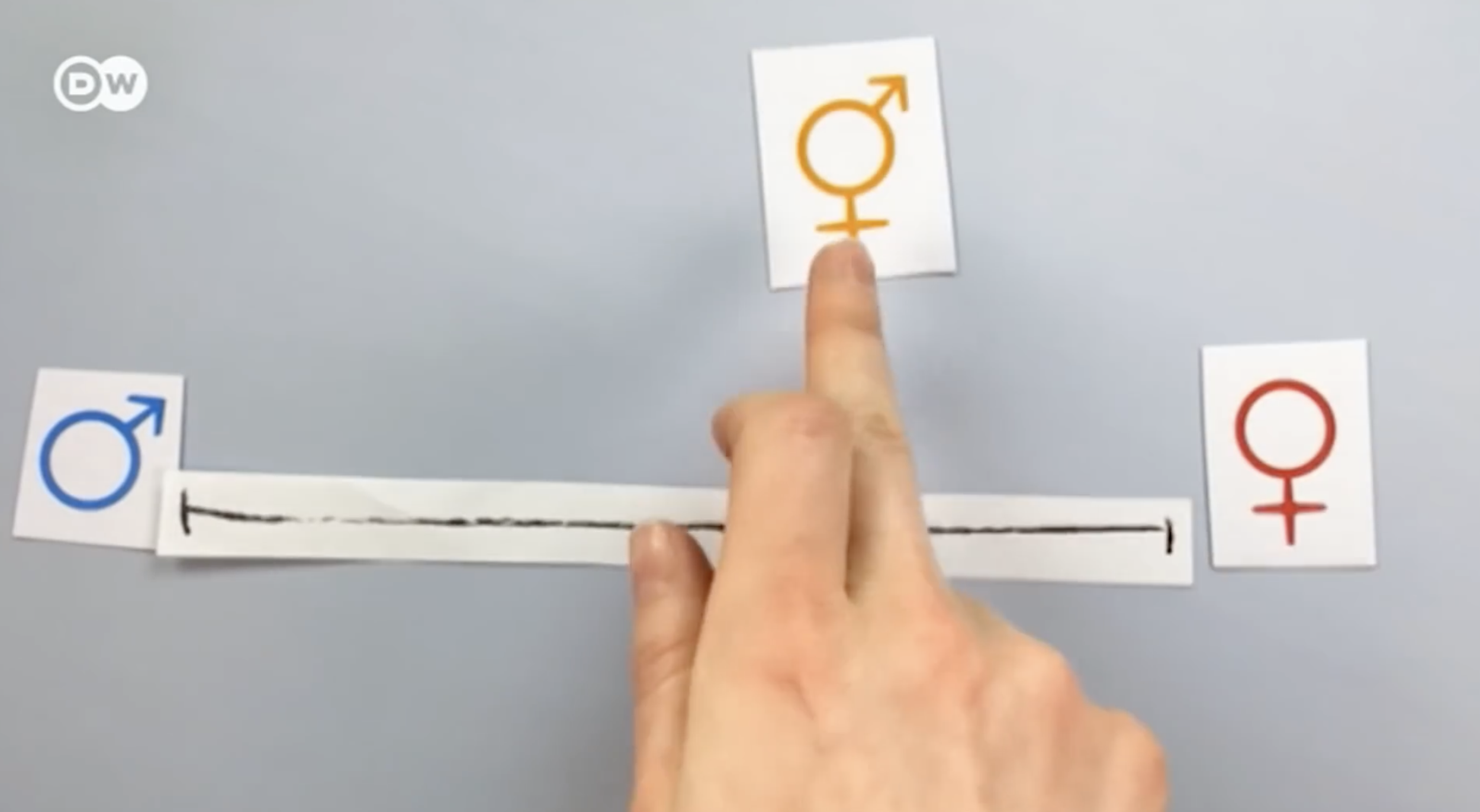
Intersex refers to people who are born with physical or biological sex characteristics — such as chromosomes, hormones, or genital anatomy — that don’t fit typical definitions of male or female bodies.
Being intersex is about how someone’s body develops not about who they are (gender) or who they’re attracted to (sexual orientation). Just like anyone else, intersex people can identify as male, female, both, or neither, and they can have any sexual orientation.
This variation is completely natural and occurs in about as many as 1 in every 1,500 to 2,000 births, though many cases go unreported or unnoticed at birth.
Being intersex is not a disorder or disease — it’s one of the many ways human bodies naturally develop. However, intersex people have historically faced stigma, discrimination, and even non-consensual medical surgeries aimed at “fixing” their bodies to fit binary categories of male or female.
Today, the focus of awareness and advocacy is on recognition, respect, and bodily autonomy. Intersex people deserve the same dignity, choice, and healthcare rights as anyone else.
Understanding intersex diversity reminds us that sex is not simply male or female — it’s a spectrum of natural variation.
Intersex people have always existed — it’s time we make sure they are seen, heard, and celebrated.
ਇੰਟਰਸੈਕਸ (Intersex) ਉਹਨਾਂ ਲੋਕਾਂ ਲਈ ਵਰਤਿਆ ਜਾਂਦਾ ਹੈ ਜੋ ਜਨਮ ਤੋਂ ਹੀ ਐਸੀਆਂ ਭੌਤਿਕ ਜਾਂ ਜੈਵਿਕ ਵਿਸ਼ੇਸ਼ਤਾਵਾਂ (physical ਜਾਂ biological sex characteristics) ਨਾਲ ਪੈਦਾ ਹੁੰਦੇ ਹਨ — ਜਿਵੇਂ ਕਿ ਕ੍ਰੋਮੋਸੋਮ, ਹਾਰਮੋਨ ਜਾਂ ਜਨਨ ਅੰਗ (genital anatomy) — ਜੋ ਮਰਦ ਜਾਂ ਔਰਤ ਦੇ ਆਮ ਮਾਪਦੰਡਾਂ ਵਿੱਚ ਪੂਰੀ ਤਰ੍ਹਾਂ ਫਿੱਟ ਨਹੀਂ ਹੁੰਦੇ।
ਇੰਟਰਸੈਕਸ ਹੋਣਾ ਇਸ ਗੱਲ ਬਾਰੇ ਹੈ ਕਿ ਕਿਸੇ ਵਿਅਕਤੀ ਦਾ ਸਰੀਰ ਕਿਵੇਂ ਵਿਕਸਤ ਹੁੰਦਾ ਹੈ — ਉਹਨਾਂ ਦੇ ਕ੍ਰੋਮੋਸੋਮ, ਹਾਰਮੋਨ ਜਾਂ ਅੰਗਾਂ ਦੇ ਆਧਾਰ ‘ਤੇ — ਨਾ ਕਿ ਇਸ ਗੱਲ ਬਾਰੇ ਕਿ ਉਹ ਕੌਣ ਹਨ (ਜੈਂਡਰ) ਜਾਂ ਕਿਸ ਪ੍ਰਤੀ ਆਕਰਸ਼ਿਤ ਹਨ (sexual orientation)।
ਹਰ ਕਿਸੇ ਦੀ ਤਰ੍ਹਾਂ, ਇੰਟਰਸੈਕਸ ਵਿਅਕਤੀ ਆਪਣੇ ਆਪ ਨੂੰ ਮਰਦ, ਔਰਤ, ਦੋਵੇਂ ਜਾਂ ਕਿਸੇ ਨਹੀਂ ਵਜੋਂ ਪਛਾਣ ਸਕਦੇ ਹਨ ਅਤੇ ਉਹਨਾਂ ਦੀ ਲਿੰਗੀ ਰੁਝਾਨ (sexual orientation) ਵੀ ਕਿਸੇ ਵੀ ਰੂਪ ਵਿੱਚ ਹੋ ਸਕਦੀ ਹੈ।
ਇਹ ਵੱਖਰਾਪਣ ਪੂਰੀ ਤਰ੍ਹਾਂ ਕੁਦਰਤੀ ਹੈ ਅਤੇ ਤਕਰੀਬਨ ਹਰ 1,500 ਤੋਂ 2,000 ਜਨਮਾਂ ਵਿੱਚੋਂ ਇੱਕ ਵਿੱਚ ਪਾਇਆ ਜਾਂਦਾ ਹੈ, ਹਾਲਾਂਕਿ ਕਈ ਕੇਸ ਜਨਮ ਸਮੇਂ ਦਰਜ ਨਹੀਂ ਕੀਤੇ ਜਾਂਦੇ ਜਾਂ ਪਹਿਚਾਣੇ ਨਹੀਂ ਜਾਂਦੇ।
ਇੰਟਰਸੈਕਸ ਹੋਣਾ ਕੋਈ ਬਿਮਾਰੀ ਜਾਂ ਵਿਗੜ੍ਹ ਨਹੀਂ, ਸਗੋਂ ਮਨੁੱਖੀ ਸਰੀਰ ਦੇ ਵਿਕਾਸ ਦੇ ਕੁਦਰਤੀ ਤਰੀਕਿਆਂ ਵਿੱਚੋਂ ਇੱਕ ਹੈ। ਫਿਰ ਵੀ, ਇਤਿਹਾਸਕ ਤੌਰ ‘ਤੇ ਇੰਟਰਸੈਕਸ ਵਿਅਕਤੀਆਂ ਨੂੰ ਬਦਨਾਮੀ, ਭੇਦਭਾਵ ਅਤੇ ਬਿਨਾਂ ਸਹਿਮਤੀ ਦੇ ਕੀਤੀਆਂ ਗਈਆਂ ਚਿਕਿਤਸਕ ਸਰਜਰੀਆਂ ਦਾ ਸਾਹਮਣਾ ਕਰਨਾ ਪਿਆ, ਜਿਨ੍ਹਾਂ ਦਾ ਮਕਸਦ ਉਹਨਾਂ ਦੇ ਸਰੀਰਾਂ ਨੂੰ ਮਰਦ ਜਾਂ ਔਰਤ ਦੇ ਦੋਹਰੇ ਮਾਪਦੰਡਾਂ ਵਿੱਚ ਫਿੱਟ ਕਰਨਾ ਸੀ।
ਅੱਜ, ਜਾਗਰੂਕਤਾ ਅਤੇ ਹੱਕਾਂ ਦੀ ਲਹਿਰ ਦਾ ਧਿਆਨ ਪਛਾਣ, ਸਨਮਾਨ ਅਤੇ ਸਰੀਰਕ ਖੁਦਮੁਖਤਿਆਰੀ (bodily autonomy) ‘ਤੇ ਹੈ।
ਇੰਟਰਸੈਕਸ ਵਿਅਕਤੀ ਵੀ ਹੋਰ ਸਭ ਦੀ ਤਰ੍ਹਾਂ ਇੱਜ਼ਤ, ਚੋਣ ਅਤੇ ਸਿਹਤ ਦੇ ਅਧਿਕਾਰਾਂ ਦੇ ਹੱਕਦਾਰ ਹਨ।
ਇੰਟਰਸੈਕਸ ਵਿਭਿੰਨਤਾ ਨੂੰ ਸਮਝਣਾ ਸਾਨੂੰ ਯਾਦ ਦਿਵਾਉਂਦਾ ਹੈ ਕਿ ਜੈਂਡਰ ਸਿਰਫ਼ ਮਰਦ ਜਾਂ ਔਰਤ ਨਹੀਂ ਹੁੰਦਾ — ਇਹ ਕੁਦਰਤੀ ਤੌਰ ‘ਤੇ ਇਕ ਵਿਸ਼ਾਲ ਸਪੈਕਟ੍ਰਮ ਹੈ।
ਇੰਟਰਸੈਕਸ ਲੋਕ ਹਮੇਸ਼ਾਂ ਮੌਜੂਦ ਰਹੇ ਹਨ — ਹੁਣ ਸਮਾਂ ਆ ਗਿਆ ਹੈ ਕਿ ਅਸੀਂ ਯਕੀਨੀ ਬਣਾਈਏ ਕਿ ਉਹ ਵੇਖੇ, ਸੁਣੇ ਅਤੇ ਮਨਾਏ ਜਾਣ।
For many years, intersex infants were subjected to non-consensual “corrective” surgeries designed to make their bodies fit typical definitions of male or female. These procedures were often performed soon after birth, not for medical necessity, but to ease social discomfort or align with binary gender expectations.
Such surgeries can cause lifelong physical and emotional harm — including pain, scarring, loss of sensation, infertility, and trauma. Most importantly, they take away a person’s right to bodily autonomy — the right to make informed decisions about their own body once they are old enough to consent.
Today, intersex activists and human rights organizations call for an end to medically unnecessary surgeries on intersex infants and children. The focus should instead be on support, education, and informed choice, allowing individuals to decide for themselves if and when they want any medical intervention.
ਬਹੁਤ ਸਾਲਾਂ ਤੱਕ, ਇੰਟਰਸੈਕਸ ਬੱਚਿਆਂ ‘ਤੇ ਬਿਨਾਂ ਉਹਨਾਂ ਦੀ ਸਹਿਮਤੀ ਦੇ “ਸੋਧਕ” ਸਰਜਰੀਆਂ (corrective surgeries) ਕੀਤੀਆਂ ਜਾਂਦੀਆਂ ਸਨ, ਤਾਂ ਜੋ ਉਹਨਾਂ ਦੇ ਸਰੀਰਾਂ ਨੂੰ ਮਰਦ ਜਾਂ ਔਰਤ ਦੀ ਆਮ ਪਰਿਭਾਸ਼ਾ ਵਿੱਚ ਲਿਆਂਦਾ ਜਾ ਸਕੇ। ਇਹ ਸਰਜਰੀਆਂ ਅਕਸਰ ਜਨਮ ਤੋਂ ਥੋੜ੍ਹੇ ਸਮੇਂ ਬਾਅਦ ਕੀਤੀਆਂ ਜਾਂਦੀਆਂ ਸਨ — ਕਿਸੇ ਚਿਕਿਤਸਾ ਕਾਰਨ ਕਰਕੇ ਨਹੀਂ, ਬਲਕਿ ਸਮਾਜਕ ਅਸਹਜਤਾ ਘਟਾਉਣ ਜਾਂ ਦੋਹਰੇ (ਮਰਦ/ਔਰਤ) ਜੈਂਡਰ ਮਾਪਦੰਡਾਂ ਨਾਲ ਮੇਲ ਕਰਨ ਲਈ।
ਇਹ ਜਿਹੀਆਂ ਸਰਜਰੀਆਂ ਜੀਵਨ ਭਰ ਦੇ ਸ਼ਾਰੀਰੀਕ ਅਤੇ ਮਾਨਸਿਕ ਨੁਕਸਾਨ ਪੈਦਾ ਕਰ ਸਕਦੀਆਂ ਹਨ — ਜਿਸ ਵਿੱਚ ਦਰਦ, ਦਾਗ਼, ਸੰਵੇਦਨਾ ਦੀ ਕਮੀ, ਬਾਂਝਪਨ ਅਤੇ ਆਤਮਕ ਚੋਟ ਸ਼ਾਮਲ ਹਨ।
ਸਭ ਤੋਂ ਮਹੱਤਵਪੂਰਨ ਗੱਲ ਇਹ ਹੈ ਕਿ ਇਹ ਕਿਸੇ ਵਿਅਕਤੀ ਤੋਂ ਉਸਦੀ ਸਰੀਰਕ ਖੁਦਮੁਖਤਿਆਰੀ (bodily autonomy) ਛੀਣ ਲੈਂਦੀਆਂ ਹਨ — ਆਪਣਾ ਸਰੀਰ ਬਾਰੇ ਸੁਚੇਤ ਫ਼ੈਸਲਾ ਕਰਨ ਦਾ ਅਧਿਕਾਰ, ਜੋ ਉਸਨੂੰ ਤਦ ਮਿਲਣਾ ਚਾਹੀਦਾ ਹੈ ਜਦੋਂ ਉਹ ਸਹਿਮਤੀ ਦੇਣ ਦੇ ਯੋਗ ਹੋਵੇ।
ਅੱਜ, ਇੰਟਰਸੈਕਸ ਹੱਕਾਂ ਦੇ ਕਾਰਕੁਨ ਅਤੇ ਮਨੁੱਖੀ ਅਧਿਕਾਰ ਸੰਗਠਨ ਇਹਨਾਂ ਬਿਨਾਂ ਲੋੜ ਵਾਲੀਆਂ ਚਿਕਿਤਸਕ ਸਰਜਰੀਆਂ ਨੂੰ ਖਤਮ ਕਰਨ ਦੀ ਮੰਗ ਕਰ ਰਹੇ ਹਨ।
ਹੁਣ ਧਿਆਨ ਸਹਾਇਤਾ, ਸਿੱਖਿਆ ਅਤੇ ਜਾਣਕਾਰੀ-ਅਧਾਰਤ ਚੋਣ (informed choice) ‘ਤੇ ਹੋਣਾ ਚਾਹੀਦਾ ਹੈ — ਤਾਂ ਜੋ ਹਰ ਵਿਅਕਤੀ ਖੁਦ ਫ਼ੈਸਲਾ ਕਰ ਸਕੇ ਕਿ ਉਹ ਕਿਸੇ ਵੀ ਚਿਕਿਤਸਕ ਹਸਤਕਸ਼ੇਪ ਦੀ ਲੋੜ ਮਹਿਸੂਸ ਕਰਦਾ ਹੈ ਜਾਂ ਨਹੀਂ।